Automated Venomanometry
CV-Based Diagnostic Prototyping
OpenCV
Analog Systems
Human Trials
Biometrics
Using computer vision to detect venous collapse as a biomarker for concussions or glaucoma.
The Engineering Deep Dive
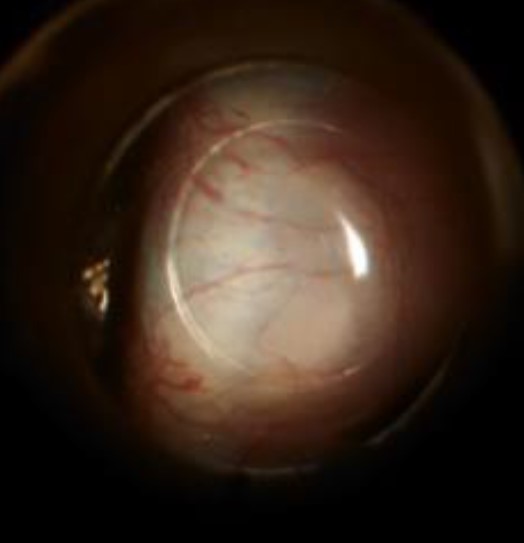
This project sought to automate a manual clinical diagnostic for episcleral venous pressure. The goal was to pinpoint the exact moment an episcleral vein collapses under applied pressure is quite difficult for a clinician and lacked repeatability. Doing this manually is subjective and prone to error, along with differing between different practices.
I created a machine that recorded and processed video with the correlated pressures. By applying grayscale thresholding and some contour detection, the software could measure the vein's collapse. I synchronized this video data with an analog sensor to show pressures. This allowed clinicians to observe specific thresholds for review and to train the system. I took this project from a benchtop prototype through porcine testing and into the first stages of human clinical trials.
The Technical Post Mortem
I engineered a manual medical tool into an automated diagnostic device. I implemented a system that could be easily added to existing systems and required no special training. I navigated the difficult challenges of going from bench top to human testing.
Engineering Constraints
Solving for the 'Impossible' means navigating rigid physical and computational limits:
- Allowing traditional use of the device alongside my additions.
- Perfectly syncing analog pressure data with camera frame rates.
- Navigating the transition from porcine testing to human clinical trials.